Let's Talk
Menu



If you’ve booked onto a business webinar before, chances are you’ve been distracted at some point - you've zoned out or started doing something else. You’re not alone. Webinars have earned a reputation of being quite dull: text-heavy PowerPoint slides, dry business pitches, and very little focus on maintaining audience engagement.
While webinars can generate leads and conversions, they shouldn’t be the sole focus of your engagement or acquisition strategy. Building a loyal, engaged audience through genuinely interesting or entertaining content is far more likely to deliver sustained ROI than losing the most of your audience’s attention for a handful of conversions.
Engaged audiences come back. They remain loyal and are more likely to invest in the long run because they feel an emotional connection to the brand, rather than just being treated as another potential lead.
Webinars are still a useful way of maintaining visibility and connection across locations. They are easily set up and generally cost-effective. But while digital alternatives to in-person meetings have made communication more accessible, they are also starting to take their toll.
Webinar fatigue (a form of screen fatigue) comes from the increased presence of virtual interactions in our daily and working lives. Educational and developmental webinars may be well-intentioned, but they often fail to fully hold attention due to lack of variety, combined with the general screen burnout.

The structured, impersonal feel of webinars often fails to resonate with audiences. The lecture-style format makes audiences feel like spectators rather than participants, often with scripts, limited human connection, and little real dialogue. As a result, webinars can feel like just another screen-based, sales-focused brand event that neither connects with people nor invites their perspective.
Many webinars have a one-way format: a long presentation followed by a brief Q&A. While there is some live interaction, this often feels token and doesn’t usually impact the content itself. By the webinar’s end, many listeners may have forgotten their questions, or tuned out altogether.
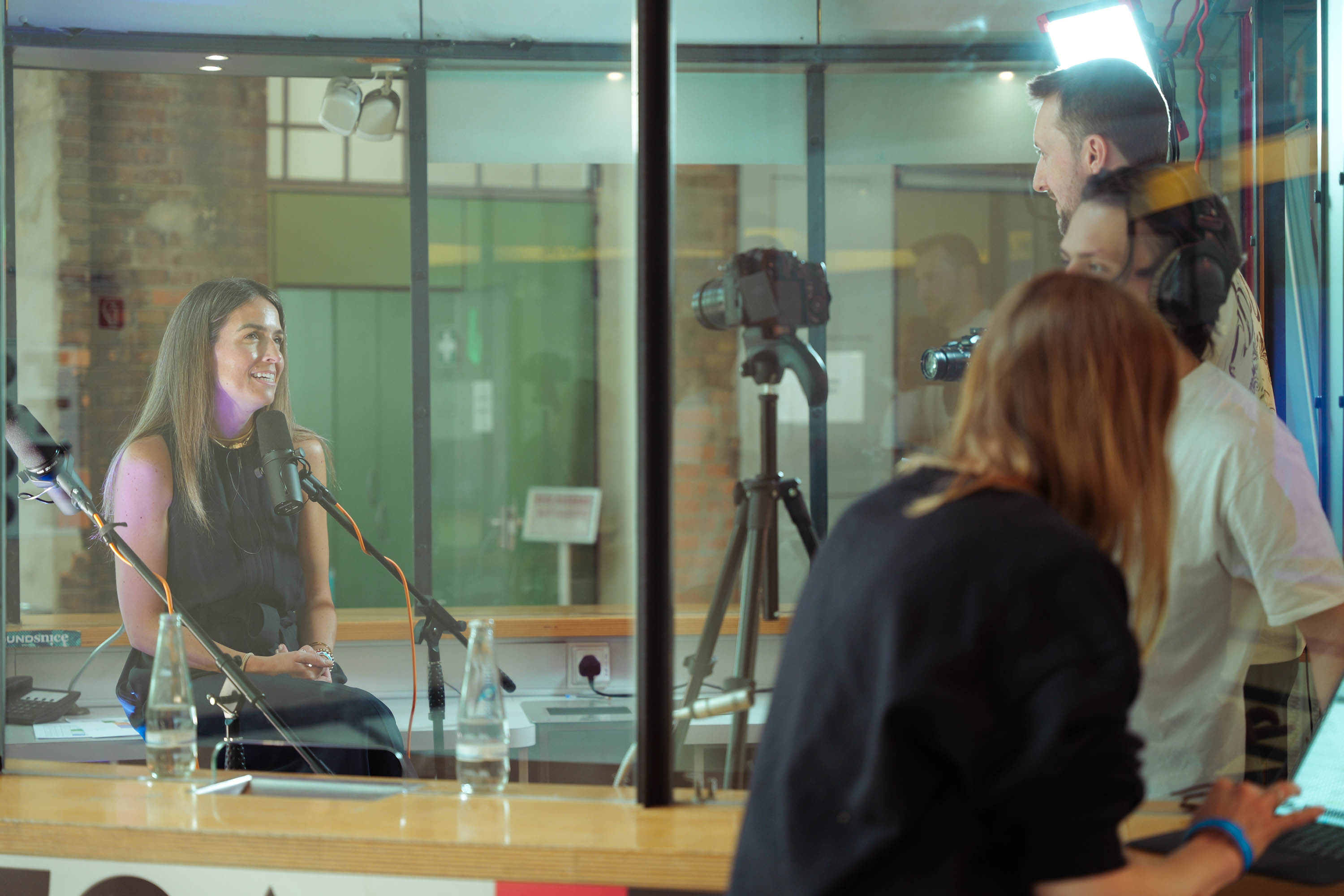
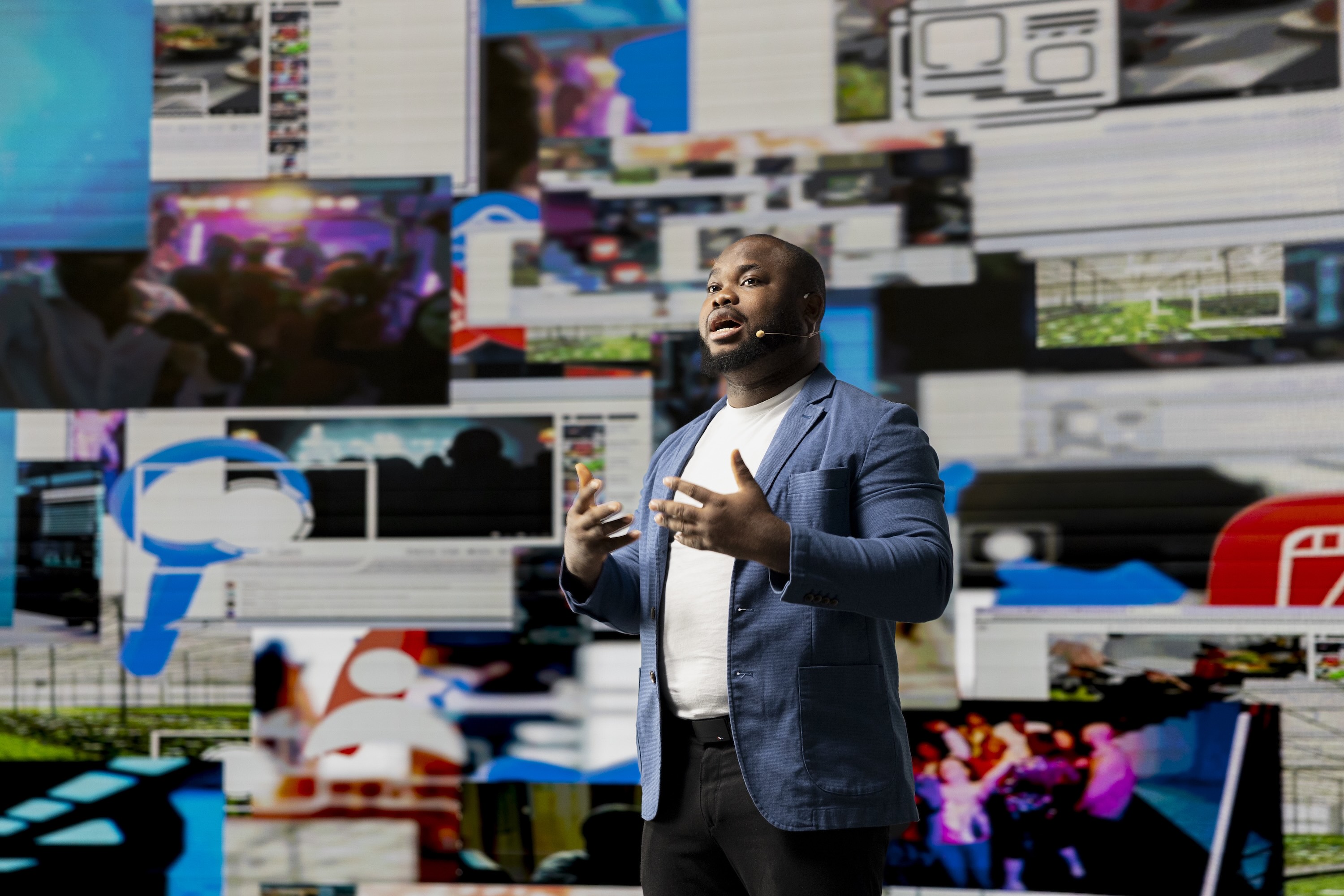
In response to the decline of the webinar, brands are exploring new ways to keep audiences hooked through a strong live content strategy. Show-style live content creates real-time interactions, shared experiences, and more natural conversation. Instead of passive viewing, audiences become active participants, able to shape the direction of the discussion as it happens.
Live content connects audiences both to the brand and to each other. Because it’s shaped in the moment, it feels instantly relevant and relatable in a way pre-recorded content can’t replicate.
In a show-style format, the experience is also more intimate. Audiences aren’t just passively consuming content behind screens; they’re in the room with you. Without heavy editing or a rigid agenda, exchanges are spontaneous and unfiltered. In contrast, traditional webinars often rely on polished scripts and a corporate structure that can feel impersonal and even transactional.
Live shows that include interactive Q&As, unscripted audience-led moments, and authentic demonstrations offer a deeper insight into a brand, strengthening brand storytelling, and showing that the brand isn’t committed to just conversions, but also to building real relationships and providing value.

Perhaps most importantly, live content brings people together. It creates a shared space where audiences can connect, contribute, and feel part of a community. It highlights a genuine investment in providing real value to a community through more interactive content experiences.

Live content holds attention for longer than pre-recorded alternatives. Its interactive structure keeps audiences involved, making them more likely to stay engaged and remember what they’ve heard and experienced.
When content invites participation, people tune in. Webinars, on the other hand, are seen as long, passive presentations with limited opportunity for input, and attendance reflects this. Live content carries a unique “one time only” energy that gives audiences a reason to attend, be present, and pay closer attention.
Your live content doesn’t need to be single-use. During live shows or podcasts, you can capture genuine moments of connection and audience participation, and use them to strengthen your brand’s image across other channels. Strategic content repurposing of high-value, educational, and unscripted moments allows you to extend the shelf-life of your content, transforming it into evergreen assets that stay engaging and relevant long after the event itself.
A 60-minute live show or seminar can be cut into lots of shorter clips that highlight key moments from the conversation, helping to capture the attention of new audiences and potential leads across different platforms.
Live content naturally highlights authenticity and personality, opening up space for real human connection. Repurposing these moments means you can continue to benefit from that live, interactive energy, without needing to repeat the experience multiple times.
Live content also provides valuable real-time insight into your audience - their conversations, sentiment, and behaviours. This data is essential for improving your strategy and understanding what resonates, and is rarely achievable through a virtual webinar.
Webinars have had their moment. With screen fatigue rising and attention spans rapidly shrinking, virtual lecture-like presentations are struggling to capture and hold audience interest. For today’s consumers, what seems to matter most is community and human connection.
Live content is shaped in real-time, creating an exchange between the host and audience. Show-style formats, in particular, add a layer of intimacy that encourages participation and shared insight, and highlights brand authenticity. Instead of a rushed 10-minute Q&A session at the end of a webinar, live content supports continuous participation and engagement.
On the technical side, it is far easier to adapt your strategy using real-time data on your audience’s feelings and pain points. Live content also produces high-value, evergreen assets that activate interest across all your channels.
At Cue we can help you turn a one-way broadcast into an inclusive, engaging, two-way conversation. Book a call with us today and explore our podcasting and live production services to bring your content to life.


Join our carefully curated newsletter packed with insights, tips and resources to help shape and share your stories.