Let's Talk
Menu



Events move fast; conversations happen once. When you rely on panels, talks, or networking alone, most of that value disappears the moment the event ends. On-location podcasting changes that. A live pop-up studio turns real conversations into content that lives long after the room empties.
This approach is also shaping new podcast ideas. Brands now use events as production moments. They capture expert insight, audience energy, and timely stories, then distribute them across channels for months.
On-location podcasting also supports long-term growth when paired with strong promotion and repurposing strategies, such as those outlined in our guide on how to promote a podcast.
Podcast trends continue to shift toward immediacy and authenticity. Audiences respond to real conversations recorded in real environments. On-location podcasting delivers both.
Several trends are driving this shift.
Recording on location lets you capture all of this in one place. It also reduces friction. Guests are already present. Topics reflect what people care about right now.
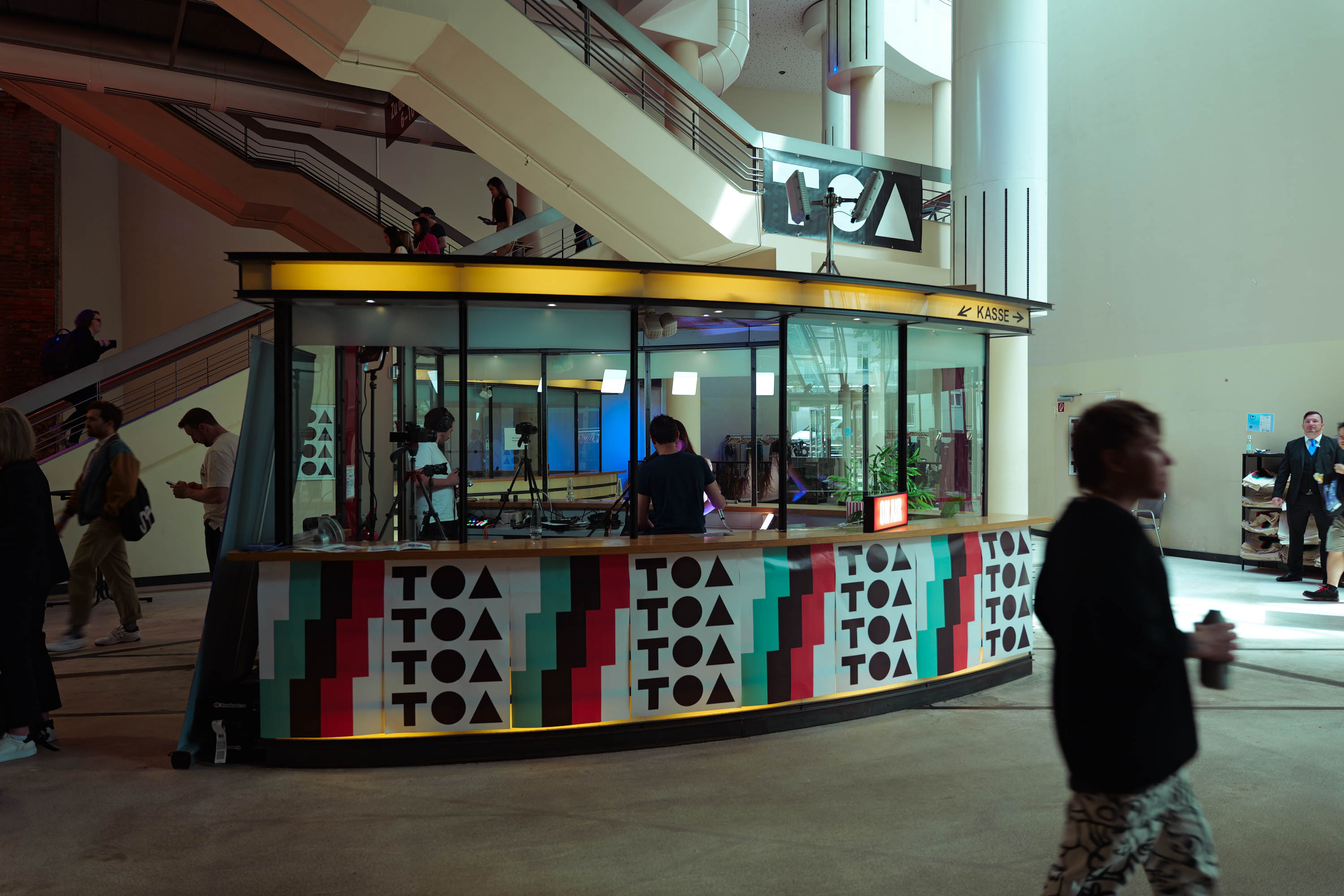
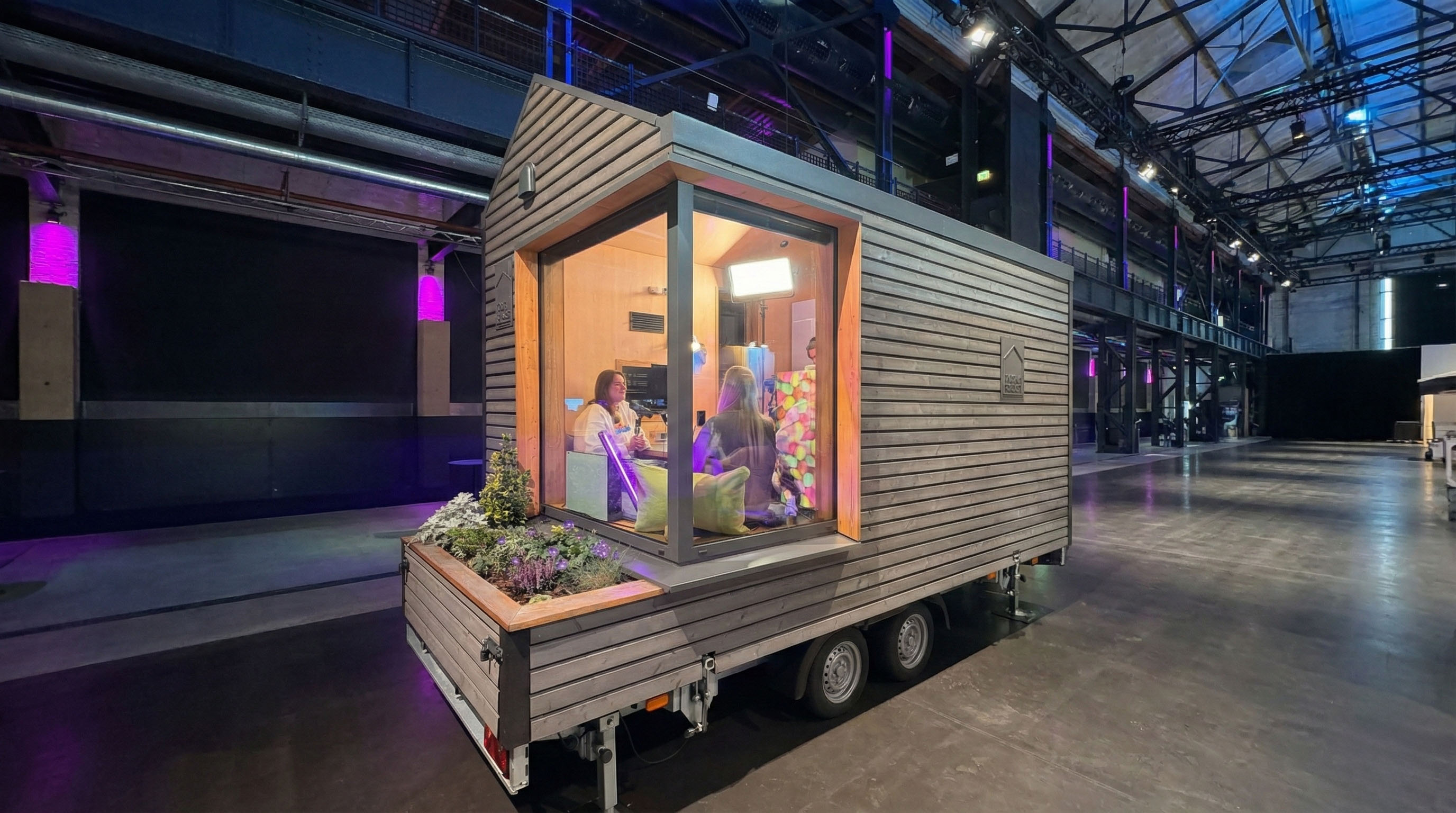
A pop-up podcast studio is a temporary recording setup built inside an event space. It can be simple or fully branded. What matters is speed and quality.
Instead of booking guests weeks later, you record while momentum is high. Instead of producing one episode, you create a full library of content in a single day.
This model works well for:
Each conversation becomes a reusable asset. One event can generate dozens of podcast ideas without extra planning.
On-location recording has introduced new formats and ideas that brands now use regularly.
Instead of a long-running show, brands produce limited series tied to a single event. These series feel timely and focused. They also create urgency for listeners.
Events give you access to speakers, founders, and partners in one place. You can record back-to-back interviews without long scheduling cycles.
Questions asked on stage or during networking often shape the best episodes. This leads to podcast ideas grounded in real audience interest.
Brands now plan for clips, articles, and social posts before recording starts. The podcast becomes the anchor, not the only output.
Many of these formats align with proven approaches on repurposing podcast content.
Events are ideal for generating strong podcast ideas because the context is clear and the expertise is concentrated.
Here are podcast ideas that work especially well in live environments.
Each idea works as a standalone episode. Each one can also be repurposed into articles, clips, and social content.
Search visibility improves when live recordings are paired with transcripts and articles, it's beneficial for your brand to be versed on podcast SEO.
On-location podcasting does not stop when the event ends. The real value appears in distribution.
A single live recording session can produce:
Because the conversations are timely, they perform well immediately. Because the insights are practical, they remain relevant over time.
This balance is what turns event content into evergreen assets.
Smart brands plan distribution before the first mic is turned on.
They:
This approach extends the life of an event far beyond its original schedule.
Cue also helps brands build sustainable content systems, similar to the approach you can find on brands' content days.
On-location podcasting only works when execution is tight. Poor audio, unclear concepts, or weak distribution can waste a strong opportunity.
Cue helps you avoid that.
We work with you to:
You get a clear concept. You get professional production. You get content that keeps working long after the event ends.
Contact us today. We take care of your podcast and content so you can focus on the conversations that matter.
On-location podcasting is already used by brands that want more from their events.
Adobe regularly records live conversations at creative and marketing events, including Adobe Summit. These recordings support ongoing education and product adoption.
Adobe records live conversations with designers and creative leaders at major conferences. These sessions focus on workflows, tools, and trends discussed during the event. Adobe then publishes episodes over several weeks and turns key moments into tutorial clips and blog articles. This approach extends the value of each event and supports ongoing product education.
Shopify uses live recordings at founder and partner events to capture practical conversations that later become podcast episodes and social clips.
Shopify uses pop-up recording setups at founder meetups and partner events. Conversations focus on real challenges founders face. These recordings later become podcast episodes, social clips, and email content. The result is practical content that feels current and relatable, even months later.
Many SaaS brands use trade shows such as SaaStr Annual and Web Summit to record short-form podcast interviews. Examples of event-driven podcast strategies are discussed in coverage from Eventbrite and The Podcast Host.
B2B companies often use live podcast studios at trade shows to record short interviews with partners and customers. These episodes support post-event follow-up, sales outreach, and thought leadership campaigns. One trade show can produce an entire content quarter.
Live environments unlock formats that are difficult to replicate in a studio.
These podcast ideas work because they capture energy and context that studio recordings often lack.
Event-based podcasting creates natural SEO advantages.
Each event has its own search demand. Publishing episodes and articles tied to event names, themes, and speakers helps capture that traffic while interest is high.
Live conversations often surface questions worth deeper exploration. You can turn one episode into multiple SEO articles that target long-tail keywords.
Event episodes can link to existing guides, resources, and service pages. This strengthens internal linking and keeps users engaged longer.
Cue does more than record audio. We help you design a podcast concept that fits your business goals.
We work with you to:
We manage production end to end. That includes equipment, crew, guest coordination, editing, and publishing.
Recording is only one step. Distribution determines impact.
Cue handles:
This ensures your event content continues to work long after the doors close.
Live podcasts combine relevance with longevity. They capture timely conversations, then turn them into evergreen assets.
Instead of chasing content ideas after an event, you leave with a complete content library. That library supports marketing, sales, partnerships, and brand authority.
Events already bring the right people together, on-location podcasting lets you capture that value and extend it.
If you want a proven way to turn events into scalable content, Cue can help.
Book a call today. We can help with designing the right podcast concept, manage production on location, and turn every recording into content that keeps working for your business.


Join our carefully curated newsletter packed with insights, tips and resources to help shape and share your stories.