Let's Talk
Menu




Our modern world moves quickly. Almost as soon as social media advertising established itself as the primary way to connect with online audiences, new marketing methods have emerged, usurping earlier tactics. Today, we are seeing more distinct divisions between audience types, presenting brands with a new challenge: the unstable nature of “rented” audiences.
A “rented” audience is paying other platforms to promote and expose your brand or campaign. The audience is borrowed, often temporarily, meaning visibility is budget-dependent and reliant on platform algorithms and user engagement for continued exposure.
The solution lies in owned attention - controlling your brand’s narrative and building a community and a direct line of communication with your audience - and podcasts are at the core.
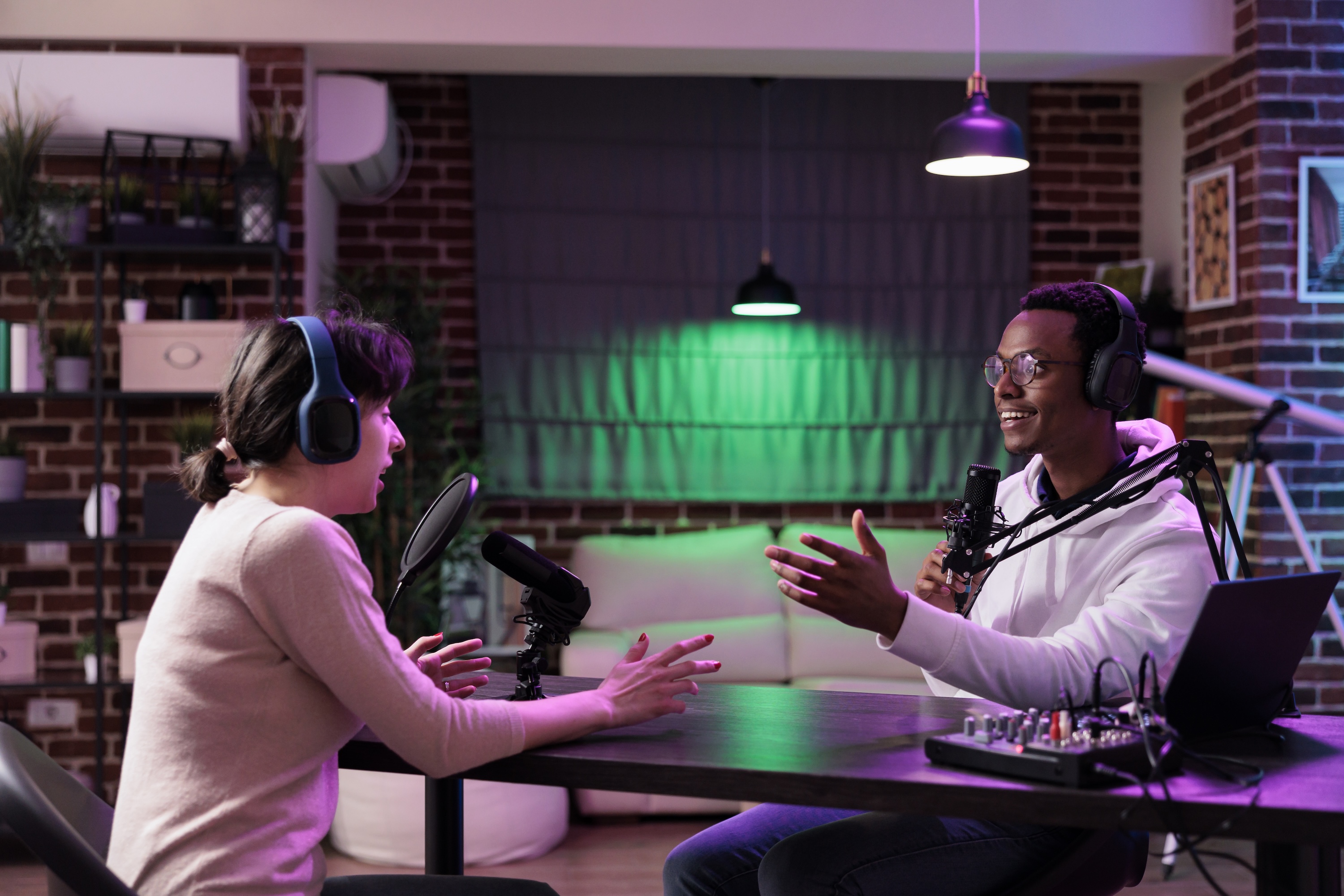
While not a new phenomenon, the emergence of podcasts as a powerful owned media strategy represents a tangible shift in how brands are building and maintaining connections with their target consumers.
A “marketer’s secret weapon”; brand owned podcasts amplify ad campaigns by capturing listener attention naturally and authentically. By strategically blending conversational, interesting, and intentional content, podcasts can encourage a level of loyalty and engagement among audiences that can’t be matched by other strategies.
This article looks at the problem with “renting” an audience, the benefits of owned media strategy and audience ownership, and how podcasts are proving themselves as a significantly effective tool in the hunt for genuine audience engagement.

“Renting” an audience involves paying external platforms, like social media apps, to display marketing campaigns to its established user bases. While this was once the way to reach young audiences, the cracks are beginning to show.
Let’s take a look at some of the key negatives:
We live in a technological age where algorithms and trends are unpredictable and ever-changing, so relying on social media algorithms to prop up your content is risky. In a matter of days, a high-budget advertising campaign can disappear from feeds, considerably limiting organic reach.
Furthermore, any tech instability or sudden policy tweaks within the platform itself will directly impact brand visibility and data integrity.

Using external platforms means surrendering control. You become beholden to a restless landscape of regulations and policies, fluctuating costs, and declining interactions.
This dependency also restricts your consumer insight; it is very hard to craft and effectively optimise marketing campaigns for demographics you can’t properly analyse yourself.
GDPR regulations have tightened in recent years, meaning platforms and businesses are more cautious regarding data collection and consent. In the EU, users will have more limited data sharing options, meaning ads and marketing content will be less personalised.
All in all, strengthened rules surrounding GDPR mean audience tracking and personalised viewership data collection on third-party platforms is more restrictive and difficult, unless users actively ‘opt-in’.
Ultimately, the audience you reach using external platforms and influencers is not yours. While your content may be viewed by a horde of users, this means nothing if nobody is engaging with it.
Modern social media is also inundated with ads, and users have become experts at recognising and ignoring them. This makes it increasingly difficult for genuine campaigns to permeate and forge a meaningful connection with audiences.
Owned media grants companies full ownership over their audience and provides a direct line of communication between brands and consumers. By removing the constraints of fragile external platforms and the short shelf-life of social media feeds, brands can create long-lasting, accessible content that builds trust and credibility over time.
Forbes noted that modern consumer behaviour has shifted in recent years and audiences are now seeking authentic online experiences from brands. Owned media such as websites, blogs, video content, and podcasts, can deliver this. Consumers are 131% more likely to buy from brands after engaging with interesting and educational content.
Podcasts build credibility and authenticity, spotlighting brands as trusted sources of information while offering a personal, human connection. The conversational nature of podcasts sparks meaningful discussions around the brand and, amidst the AI storm, helps humanise the brand itself.
After hearing a podcast episode, 61% of podcast listeners feel more favourable towards a brand, reinforcing podcasts as a powerful trust-building tool.
Podcasts have an edge that other media channels don’t: listeners are highly engaged, tuning in weekly - even daily - on the go, and for extended periods of time.
75% of podcast listeners stay attentive throughout entire branded podcast episodes. In comparison with the hit-and-miss engagement of fleeting social media ads, this level of sustained attention is particularly valuable.
Owned podcasts are already delivering significant, measurable returns for businesses, typically outperforming “rented” and shared media platforms. By providing accessible and personal engagement, branded podcasts achieve 89% higher brand awareness and 57% higher brand consideration.
This performance underscores branded podcasts as one of the most efficient tools for transforming initial interest into long-term loyalty.
With the global podcast audience expected to surpass 600 million listeners worldwide in 2026 and continue growing, branded podcast channels set your brand in good stead for increased visibility.
Teasers, trailers, and exclusive content can be shared via emails and newsletters, encouraging organic sign ups and keeping audiences engaged between episodes.
Audio and video snippets, pull-quotes with graphics, and behind-the-scenes content can be repurposed and shared across other platforms like Instagram, LinkedIn, and TikTok to reach new audiences.

Visual content is a key driver in engagement, with 87% of marketers stating video marketing has helped them increase website traffic. The high-quality audio content is the same, with the added appeal of visuals which/that help a podcast reach even further.
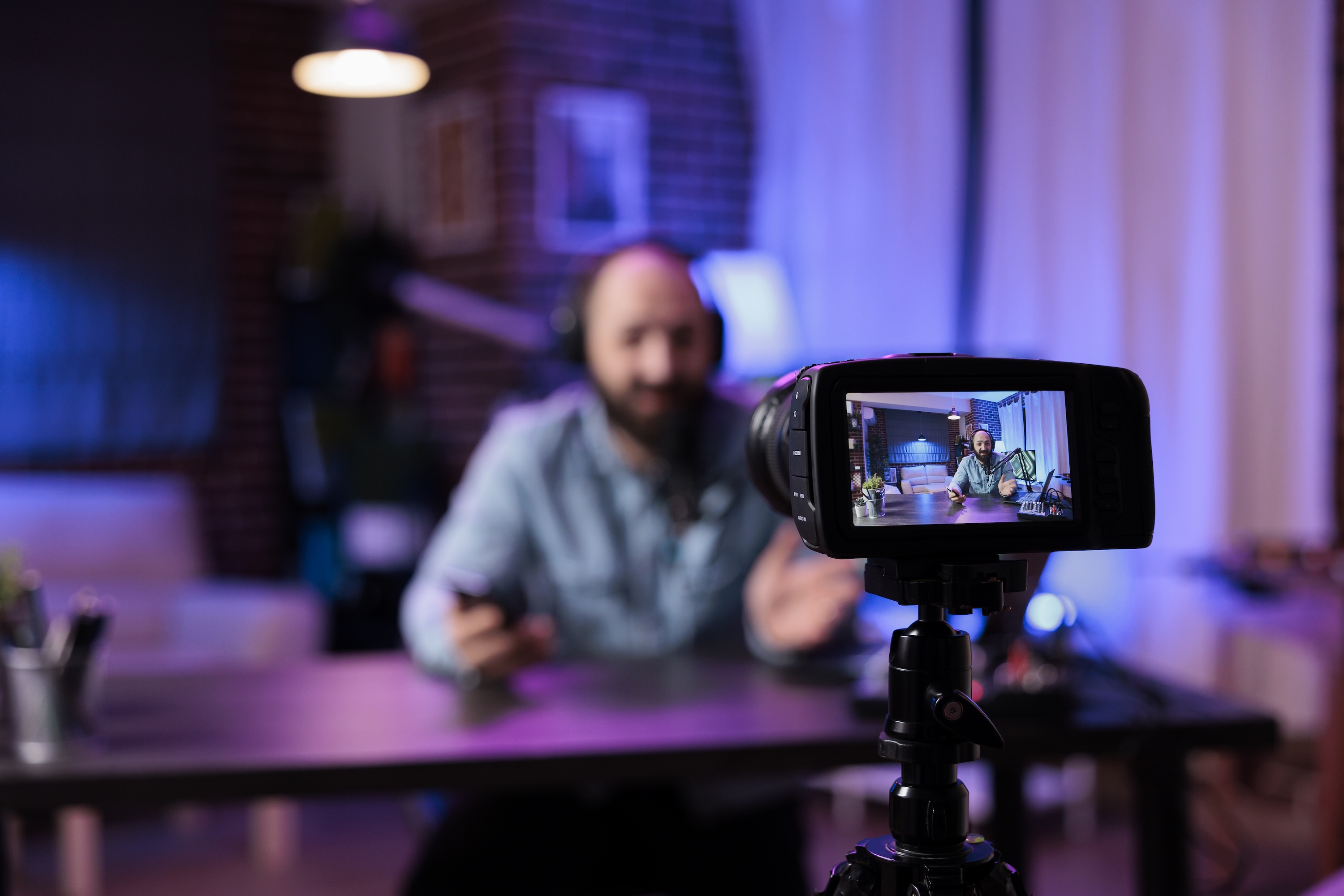
Articles and blog posts discussing key points and themes, episode summaries, and reviews provide an alternative consumption format, and drive SEO.
Consistently investing into brand-owned podcasts can deliver impressive returns over time. By gradually building a trusting, loyal audience through informative and relatable audio content, brands can curate a portfolio of proven expertise and credibility.
Brands can cement their status as a thought leader with authority to speak out on topics, and listeners can tune in and out of content. Regular uploads help to keep traffic steady and continue to draw people in.
Investing in branded podcast channels will further assist other marketing means. Podcast content can easily be repurposed for various formats, using the established audiences of external platforms to promote the content without sacrificing the brand genuinity.

As rented attention becomes less and less effective, podcasts are standing out as a surefire owned media strategy that prioritises human, engaging content as a means of building audiences with longevity.
At Cue Podcasts, we can help brands establish a strong presence in audio. From idea generation and development to podcast production and launch, we guide you through each stage of the process. This is coupled with our regular blogs and guides where we share advice, tips, and examples, such as why a company content day is a good idea, and how to use corporate storytelling effectively, helping you and your brand put you best marketing foot forward.
Fill out this form to get started, and one of our team will be happy to help you begin crafting a new podcast-led owned media strategy.


Join our carefully curated newsletter packed with insights, tips and resources to help shape and share your stories.